
A shadow stalks in silence, a pounce in the twilight, a small offering left at the threshold of human comfort. For those who share their homes with cats, the presentation of a deceased creature—be it mouse, lizard, or an ingeniously "hunted" sock—is a familiar, if unsettling, ritual. This behavior, etched deep into the feline soul, is not a relic of a forgotten past but a vibrant, living testament to an instinct that ten thousand years of domestication have not dimmed. It is the song of the hunter, played out in living rooms and on kitchen floors, a complex melody woven from instinct, family bonds, and an irrepressible drive to chase.
🐾 The Unquenchable Urge to Hunt
Cats are born with the map of the hunt written in their bones. The twitch of a tail, the focused stillness before the spring, the exhilarating chase—these are not learned behaviors but inherent rhythms. Even the most pampered house cat, whose bowl is perpetually full, cannot resist the primal call. The act of hunting is its own reward, a deeply satisfying sequence hardwired into their being. It has nothing to do with hunger. An indoor cat might just as proudly present a crumpled paper ball or a pilfered hair tie as a prize, for in their mind, the act of capture is the triumph. This drive is so potent that without an outlet, it will find one, perhaps in the ambush of an unsuspecting ankle or a frantic scramble up the drapes after phantom prey.
🎁 The Language of Gifts: Provision and Pedagogy
When a cat places its catch at your feet, it is speaking a profound and ancient language. This gesture is rooted in the feline understanding of family and pack. In the wild, a mother cat brings injured or dead prey to her kittens, not merely to feed them, but to teach them the vital, life-sustaining skills of the hunt. By presenting you with their bounty—whether a genuine creature or a symbolic stand-in—your cat is including you in this sacred circle. They see you as part of their family, perhaps as a clumsy kitten who has not yet learned to fend for itself. It is an act of provision, of love, and of shared survival. The offering, however macabre it may seem to human sensibilities, is a testament to the bond they feel, a gift from hunter to kin.
🧶 Redirecting the Instinct: From Prey to Play
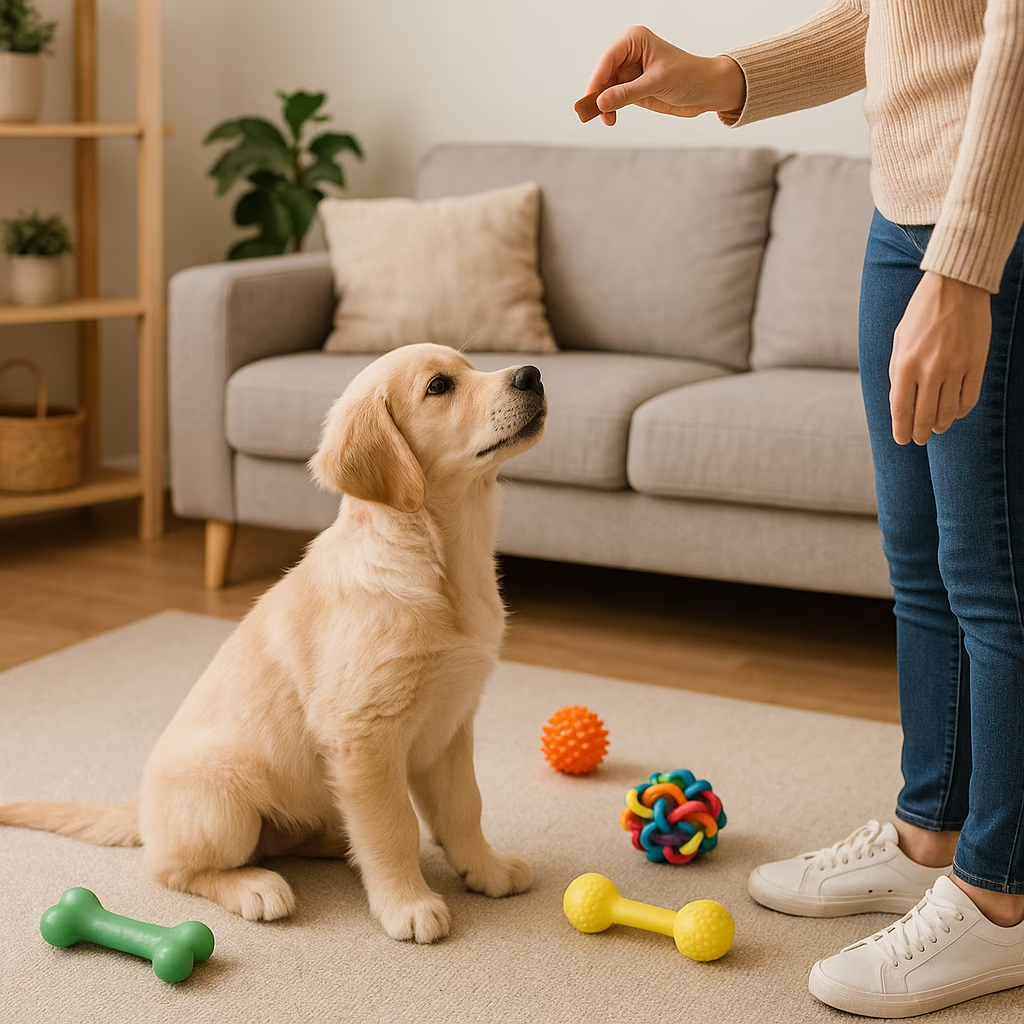
The hunter's heart cannot be silenced, but its focus can be joyfully redirected. The key is not to suppress the instinct but to satisfy it through safe and stimulating play. Engaging a cat's prey drive through interactive play is not reinforcing the behavior; it is providing a essential outlet for it. This mental and physical stimulation is crucial for a cat's well-being, especially for indoor felines who may struggle with weight gain and boredom.
| Type of Toy | Simulates | Benefit |
|---|---|---|
| Feather Wands & Fishing Rod Toys | The erratic flight of a bird | Encourages leaping, swatting, and focused tracking. |
| Laser Pointers | The quick, elusive movement of an insect | Provides intense chasing exercise; always follow with a tangible toy to "catch." |
| Motorized/ Moving Toys | The scurry of small prey | Triggers stalking and pouncing when you're not home. |
| Small Stuffed Animals | The size and feel of a kill | Allows for the final "kill shake" and carry, completing the hunting sequence. |
Daily play sessions are not a luxury; they are a necessity. They transform potentially destructive hunting energy into healthy exercise and strengthen the human-feline bond on your terms. For cats that seem frustrated or fixate on "killing" household items, providing a dedicated, catchable toy they can triumphantly carry away is the perfect solution.
🌿 A Note on the Outdoor Hunter
For cats with outdoor access, the prey drive has real-world consequences. Their efficiency is such that they are considered a significant threat to native bird and small wildlife populations. Responsible ownership in 2026 involves acknowledging this impact.
-
Breakaway Collars with Bells: Attaching a bell to a safe, breakaway collar can alert wildlife to an approaching cat, giving them a crucial chance to escape. It is a simple measure that protects local ecosystems.
-
Supervised Outdoor Time: Consider harness training or building a secure "catio" to allow your cat to experience the outdoors safely without endangering wildlife.
✨ The Tamed Wild
The cat that drops a toy at your feet after a vigorous play session is the same creature that, millennia ago, honed its skills on the African savannah. The instinct remains, pure and powerful. By understanding this—by seeing the gift not as a grotesque token but as a thread connecting their wild heart to our domestic world—we can meet them in their nature. We can channel that ancient song into the dance of a feather, the chase of a laser dot, into shared moments of focused play. In doing so, we honor the hunter within our companion, providing for their primal needs while keeping our slippers safe from "gifts." The goal is harmony: a home where the wild heart can beat contentedly, its drives satisfied not at the expense of the local fauna or our peace of mind, but through the loving, engaged partnership of play.
Leave a Comment
Comments